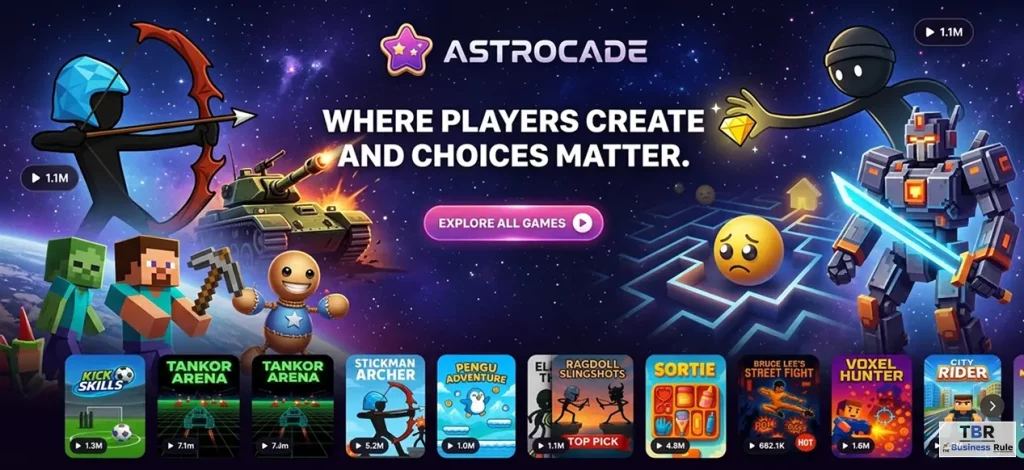
Finishing your first project feels amazing, but it is not the end of the journey. It is the start of a new stage where your idea must meet real players. Many creators focus only on building, then feel lost when the game is ready. They ask, “What now?” The next step is to prepare the project so people understand it, try it, and remember it. If you want to make your own game, you also need to think about launch, sharing, feedback, and improvement. Astrocade can help creators understand this path because it is built around playable browser experiences that can be tested and shared faster than old style projects.
After finishing your first version, you should not expect instant success. A creator needs patience, clear presentation, and a simple plan. When you create a game, your next job is to explain why someone should play it. What is the hook? What does the player do? Why is it fun in the first minute? These answers help people decide quickly.
Your Finished Project Needs a Clear First Impression
A finished project still needs a strong first impression. Players often decide in seconds if they want to try it. A game builder can help you finish the playable part, but you still need a clear title, short description, and easy start. People should know what the player’s goal is before they click.
• Write a simple title
• Explain the main action
• Show the player goal clearly
• Use one strong image or preview
• Keep the first screen clean
• Test if new players understand it
• Remove confusing words before sharing
A good first impression helps the game feel ready, not unfinished.
Before You Share, Test Like a Stranger
Creators often know their own project too well. That makes it easy to miss confusing parts. Before you share the game widely, ask someone else to play without explaining anything. Watch where they stop, what they click first, and when they look confused. This simple test can show problems you did not notice. Maybe the controls are not clear. Maybe the goal appears too late. Maybe the first level is too hard. This is why testing matters after the build is finished. The create game stage is not complete until real people can understand the experience without help.
Astro Carts
Astro Carts is a racing kart game with fast paced tracks, boosts, and competitive racing against other racers. It is a helpful example for creators because it has a clear hook that is easy to share. The player races, uses boosts, handles turns, and tries to beat rivals. A creator can learn from this because the idea is simple to explain in one sentence. If you built a kart racing project on Astrocade, you would want players to understand the speed, track challenge, and boost moments before they begin. Astro Carts shows why a game summary should focus on action, goal, and replay value. When people understand the fun quickly, they are more likely to try it.
Make Your Game Page Easy to Trust
A player page should not feel crowded or confusing. It should guide visitors into the game without making them read too much. A short description, clear controls, and a friendly start button can make a big difference. If you use an AI game maker to create the first draft, you still need to polish how the project is shown.
• Keep the description short
• Mention the main challenge
• Add control notes if needed
• Show what makes the project different
• Avoid long text before play
• Use simple language for new players
• Make the first click feel safe
Trust makes players more willing to try something new.
Share With the Right People First
Do not launch to everyone at once if you have not tested the reaction. Share with a small group first. This may include friends, classmates, creators, or people who enjoy the same genre. Ask them what they understood, where they struggled, and if they wanted another try. Their feedback can help you improve before a wider launch. A game maker online can make changes easier because you can update and test faster. This small group stage is useful because it gives you honest lessons without too much pressure. You learn what real players notice, not only what you hoped they would notice.
Why Feedback Is More Valuable Than Praise
Praise feels good, but feedback helps the project grow. If someone says they liked it, ask what part they liked. If they stopped playing, ask where and why. Good creators listen for patterns. If one person is confused, it may be personal. If five people are confused, the design needs work. This is where making games becomes a learning process. Feedback helps you improve game mechanics, level flow, rewards, and player experience. You do not need to accept every suggestion, but you should understand why players react the way they do. The goal is not to defend your project. The goal is to make it clearer and more fun.
Build a Simple Launch Plan
A launch plan helps people find your project after it is ready. You do not need a huge marketing team. You need a clear message and steady sharing.
• Write one short game pitch
• Share it with people who like the genre
• Post short updates as you improve it
• Ask testers for honest feedback
• Use a game creation platform for visibility
• Create one clear call to play
• Track what players enjoy most
• Improve the first minute after feedback
A simple plan keeps the launch focused and less stressful.
Keep Improving After People Start Playing
The first public version is not the final version. Once people play, you learn what the project really needs. In a racing game, players may want smoother turns, better boost timing, or clearer rival movement. In a puzzle title, they may need easier rules. In a strategy title, they may need fairer difficulty. This is where a no-code game maker can help creators move quickly. You can adjust small parts without rebuilding everything from the ground up. The best updates are not random. They solve real player problems. If players keep crashing at the same turn, fix the track. If they miss the goal, make the signal clearer.
How to Get More People to Try It
Getting more people to play is about clarity, timing, and trust. Share the project in places where the right audience already exists. A racing project belongs near players who like speed, challenge, and short rounds. A puzzle project belongs near people who enjoy thinking and calm focus. Do not only say, “play my game.” Tell people what they will do and why it is worth one minute. If you want to build a game that spreads, make the first moment easy to understand. A clear hook helps people decide faster. A strong first round helps them stay longer. A good update cycle helps them return.
Conclusion
Finishing a project is a big step, but getting people to play it needs a different kind of work. You need a clear first impression, simple page, honest testing, and a launch plan that reaches the right players. The goal is not only to publish. The goal is to help people understand why your project is worth trying.
Astro Carts shows how a clear racing idea can be easier to share because players quickly understand the fun. Speed, boosts, tracks, and rivals give the project a strong hook. Astrocade helps creators move from game creation to real player testing by making browser experiences easier to share. Once your project is playable, keep listening, improving, and showing people the best reason to click play.

Leave a Reply